







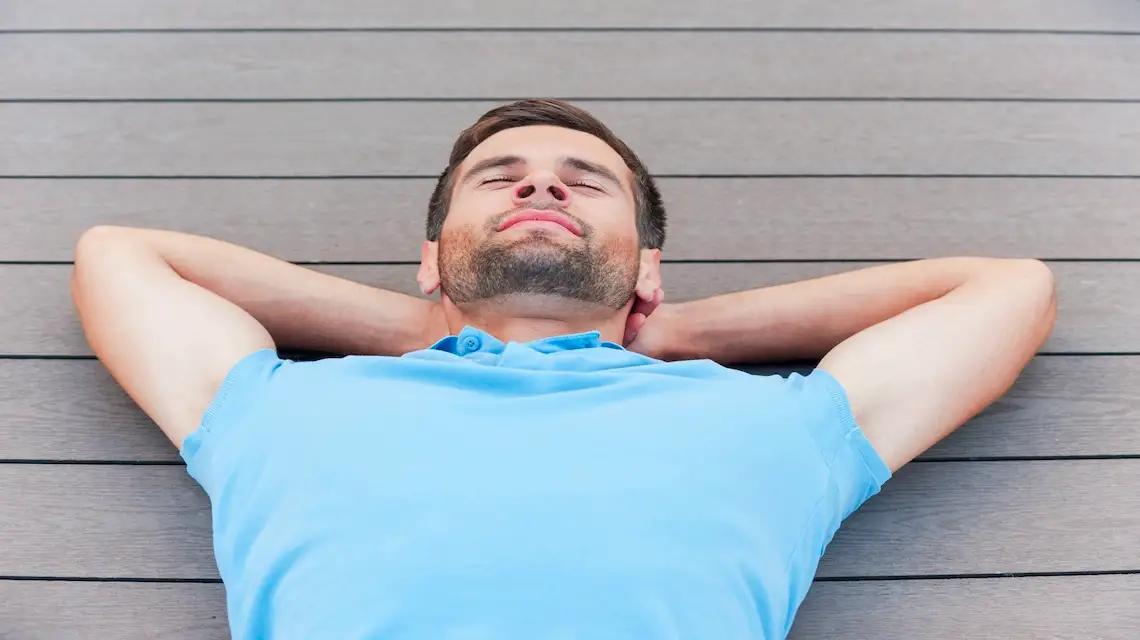

You can feel fine on the outside and still feel like your chest is carrying a backpack full of bricks. Work, money, family, health, being “the rock” for everyone else. Many men feel all of this pressure, yet stay quiet and try to just push through.
Stress is simply your body’s alarm system. Your heart beats faster, muscles tighten, thoughts race. In small bursts it helps you get things done. When it never shuts off, it wears down your sleep, mood, focus, and relationships. That is where male stress reduction techniques make a real difference.
This guide keeps things simple and real. No lectures, no guilt. Just clear, science-backed habits that a busy man can use in minutes, at home or at work, without needing to become a wellness expert.
Why Men Experience Stress Differently (And Why It Matters)
From a young age, many boys hear “man up,” “don’t cry,” or “deal with it.” Over time, that message can turn into silence, anger, or trying to fix everything alone. Instead of talking, men often bury stress under work, hobbies, or screens.
When stress hits, your body releases hormones like cortisol and adrenaline. If that switch stays on all the time, it strains your heart, sleep, and immune system. Long-term stress also affects focus, reaction time, and patience. Using male stress reduction techniques early protects your health before burnout, outbursts, or shutdown take over.
Common Signs Of Stress Men Often Ignore
Stress does not always look like panic. It often shows up in small, daily ways that are easy to brush off.
You might notice a tight neck and shoulders, tension in your jaw, or more headaches. Maybe you drink more at night, zone out on your phone or games, or get stomach issues that come and go. You might snap at loved ones, lose interest in sex, or struggle to fall or stay asleep.
These are common stress signals, not personal failures. Spotting them is the first step. Once you can see the signs, you can pick stress reduction tools that match what your body and mind are asking for. Resources like MensLine’s guide on dealing with stress can also help you understand how stress shows up in everyday life.
Practical Male Stress Reduction Techniques You Can Start Today
You do not need a full day off or a fancy retreat to lower stress. You just need small, repeatable actions that work in real life.
Quick Physical Reset: Move Your Body To Calm Your Mind
Your body and brain are on the same team. When your muscles move, your stress hormones start to drop.
A few simple ideas: walk briskly around the block, do a short set of push-ups and squats in your living room, or set a timer for five minutes of light stretching. Even standing up and rolling your shoulders and neck helps.
Regular exercise, a few times a week, is one of the most effective male stress reduction techniques. This does not mean you must crush yourself in the gym. Aim for consistency, not perfection. A 15-minute walk most days beats one brutal workout that leaves you wiped out.
Breathing And Relaxation Exercises You Can Do Anywhere
Your breath is the remote control for your nervous system. Slow breathing tells your body, “You are safe. You can relax now.”
Try box breathing. Inhale through your nose for 4 seconds, hold for 4, exhale for 4, hold for 4. Repeat for 1 to 3 minutes. Another option is 4-7-8 breathing. Inhale for 4 seconds, hold for 7, exhale for 8.
You can add a quick muscle reset too. Lift your shoulders toward your ears, hold for a few seconds, then drop them and let them relax. Do this a few times.
These short tools work at your desk, in the car while parked, or right before bed. For more ideas, you can check out Harvard Health’s relaxation techniques, then test which one feels best for you.
Simple Mindset Shifts: From “Fix Everything” To “Handle One Thing”
Many men feel pressure to solve every problem fast. When life stacks up, this mindset turns into constant stress and a sense of failure.
Try this instead. Break big problems into smaller tasks. If money is tight, “fix my finances” becomes “check my bank account,” “list my bills,” “set one small change this month.” Ask yourself, “What can I control today?” Then act on only that part.
You can also write a short worry list. Dump everything on paper, then circle just one item you can act on in the next 24 hours. This shifts you from spinning in your head to taking clear, simple steps.
Healthy Daily Habits That Lower Stress In The Background
Some habits quietly lower stress without you needing to think about it.
Better sleep is one of them. Try to keep a regular bedtime and wake-up time, even on weekends. Put screens away 30 to 60 minutes before bed, since blue light confuses your brain and keeps you wired.
Fuel your body with basic, balanced meals. Include some protein, some carbs, and some healthy fat. Drink water through the day. Sharp sugar highs and crashes make stress feel worse.
Watch out for quick fixes like heavy drinking, smoking, or too many energy drinks. They can feel like relief at first but raise anxiety and hurt sleep over time. For more simple ideas that match daily life, the NHS has a helpful list of stress-busting tips.
Fast Stress Breaks For Work And Home
Think of quick breaks as pressure release valves. They stop stress from stacking up until you snap.
Take a two-minute walk outside or down the hallway. Step away from your screen and look out a window at something far away. Stand up and stretch your chest, back, and hips. Put on one favorite song and really listen to it while you breathe slowly.
These tiny pauses do not waste time. They protect your focus, your patience, and the way you treat the people around you.
Building Support So You Do Not Handle Stress Alone
You are not meant to carry everything by yourself. Even quiet, private men feel better when they know someone has their back.
Connection does not have to mean long talks about feelings. It can be sharing a hobby, going to the gym with a friend, or texting a buddy during a tough week. What matters is that you are not stuck alone in your head.

Talking Openly With People You Trust
You do not need the perfect words. Start simple. “Work has been rough this week.” “I have been tired and on edge lately.” “Money stuff is stressing me out.”
Open up with someone safe. It might be a partner, friend, teammate, brother, or parent. Honest words, even if they are short, break the feeling that you are the only one dealing with this.
Often, the other person has been through something similar. That shared ground can cut your stress in half.
When To Consider A Coach, Therapist, Or Support Group
Sometimes stress grows bigger than quick fixes. You might notice it has lasted for weeks, you struggle to get out of bed, you drink more to numb out, or you have thoughts of giving up.
That is the point to bring in extra support. A counselor, coach, or support group can give you tools that fit your life, personality, and background. The National Institute of Mental Health page on men and mental health explains common issues and where to find help.
Asking for help is a strong move. It means you are taking your health, future, and relationships seriously.
Conclusion
Stress will always be part of life, but it does not have to run your life. Simple male stress reduction techniques like short walks, calm breathing, better sleep, and honest talks can shift how you feel day to day.
You do not need to change everything at once. Pick one or two ideas from this guide to try this week, maybe a daily 10-minute walk and one breathing exercise before bed.
Small steps add up. When you take care of your mind and body, you show up as a better man, partner, father, and friend, both for others and for yourself.
Male Stress Reduction Techniques FAQs:
How is stress different for men compared with women?
Men often feel pressure to perform, earn, and stay “in control”, so they may hide stress or push through it. Many men show stress as anger, withdrawal, or overworking rather than sadness or tears.
Biology plays a part too. Higher testosterone and different social conditioning can shape how men react, argue, or shut down under pressure.
The big problem is that many men delay asking for help. That delay can turn normal stress into burnout, sleep problems, high blood pressure, or depression. Talking early and using simple tools is not a sign of weakness, it is basic maintenance.
What are the most effective stress reduction techniques for men?
Most men do best with a mix of body-based, mind-based, and social tools.
Helpful body-based techniques:
- Exercise (walking, lifting weights, sports) reduces stress hormones and boosts mood.
- Breathing exercises, like slow belly breathing, calm the nervous system.
- Stretching or yoga relax tight muscles and ease pain linked to stress.
Helpful mind-based techniques:
- Basic mindfulness, like paying attention to your breath for a few minutes, reduces racing thoughts.
- Journaling, even a short nightly brain dump, helps clear mental clutter.
- Planning the next day, with 3 key tasks, reduces that constant “I am behind” feeling.
Helpful social techniques:
- Honest talks with a partner, friend, or therapist lower stress and isolation.
- Healthy boundaries, like saying no to extra work, protect your time and energy.
You do not need all of these. Two or three that you use often will do more than ten that you never touch.
Can exercise really reduce stress for men, or is that overhyped?
Exercise is one of the most proven stress reducers for men. It works on several levels.
Physically, movement:
- Lowers cortisol and adrenaline over time.
- Releases endorphins, the body’s natural painkillers and mood boosters.
- Improves sleep quality, which cuts stress the next day.
Mentally, regular exercise:
- Builds a sense of control and confidence.
- Gives a healthy outlet for anger and frustration.
- Breaks up long days of sitting and screens.
You do not need long workouts. Even 10 to 20 minutes of brisk walking, push-ups and squats, or cycling can help. The key is consistency, not perfection.
What quick stress reduction techniques work for men who have no time?
Busy men need tools that fit into a commute, meeting break, or bathroom trip.
Here are fast, practical options:
- Box breathing: Inhale for 4 seconds, hold for 4, exhale for 4, hold for 4. Do this 4 times.
- 5-minute walk: Walk outside or down the hall, no phone, just move and breathe.
- Tension and release: Clench your fists and shoulders for 5 seconds, then relax. Repeat 3 to 5 times.
- One-minute reset: Close your eyes, feel your feet on the ground, and take 10 slow breaths.
These small resets stop stress from stacking all day. Many men find that using them 3 or 4 times a day prevents that late-afternoon blowup or shutdown.
Are there stress reduction techniques men can use discreetly at work?
Yes, several methods work well at a desk or in a meeting without drawing attention.
Useful options:
- Silent breathing: Lengthen your exhale. Inhale for 3, exhale for 6, through the nose if you can.
- Subtle body scan: Starting at your feet, notice and relax each muscle group while you sit.
- Micro-breaks: Stand up every 60 to 90 minutes, roll your shoulders, and look at something far away.
- Task triage: Write down everything you need to do, then mark only the 3 items that must get done today.
If your job is high-pressure, it helps to schedule short recovery blocks like appointments. For example, 3 minutes of breathing at 10:30 a.m. and 2:30 p.m. You protect your stress levels the same way you protect your calendar.
Do breathing or mindfulness exercises actually work for men?
Yes, when used correctly and consistently, they help many men lower stress, blood pressure, and muscle tension.
Breathing exercises work because they:
- Signal the body that you are safe, which calms the “fight or flight” response.
- Slow your heart rate and reduce shallow chest breathing.
- Give your mind a simple target so thoughts do not spiral.
Mindfulness is not about being “zen” or emptying your brain. It is about noticing what is happening, without instant judgment, so you can respond instead of react.
A simple starter practice:
- Sit or stand comfortably.
- Set a 3-minute timer.
- Notice your breath going in and out.
- When your mind wanders, gently bring it back to the breath.
Three minutes a day is enough to feel a difference in a few weeks for many men.
How does sleep affect stress levels in men?
Poor sleep makes stress feel worse and harder to handle. For men, lack of sleep ties to higher blood pressure, weight gain, low testosterone, and irritability.
Key links between sleep and stress:
- Less sleep raises cortisol, which makes you feel wired and edgy.
- Tired brains react faster, snap more, and think less clearly.
- Poor sleep feeds cravings for sugar, caffeine, and alcohol, which can raise stress later.
Helpful sleep habits:
- Keep a regular sleep and wake time, even on weekends.
- Avoid heavy meals, large amounts of alcohol, and intense screens before bed.
- Use a simple wind-down routine, such as light stretching, reading, or a warm shower.
If you snore loudly, stop breathing at night, or wake very tired, consider checking for sleep apnea with a doctor. Treating it can lower stress and improve mood.
Are alcohol, vaping, or porn good ways to cope with stress for men?
They might feel like quick relief, but they often raise stress over time.
Alcohol:
- Disrupts sleep and recovery.
- Numbs feelings instead of solving problems.
- Can increase anxiety and low mood the next day.
Vaping or smoking:
- Gives short-term calm, but nicotine spikes heart rate and blood pressure.
- Creates dependence, so stress rises when you cannot smoke or vape.
Porn:
- Can shift your mood fast, but heavy use may affect focus, real-life intimacy, and motivation.
- Often becomes a way to escape rather than handle stress directly.
Healthier swaps:
- One drink maximum on work nights, or alcohol-free weekdays.
- A short walk or breathing drill when you want to reach for a vape.
- Real connection, such as a talk, cuddle, or shared hobby, instead of using porn as the main stress outlet.
What stress reduction techniques help men who do not like talking about feelings?
You can reduce stress without long emotional talks or therapy sessions right away. Start with actions and simple habits.
Practical tools:
- Physical outlets: Lifting weights, boxing, chopping wood, or yard work help burn off tension.
- Routine: A basic daily routine with set wake, eat, move, and sleep times gives stability.
- Solo hobbies: Fishing, car projects, gaming with limits, or woodworking calm the mind.
- Structured check-ins: Rate your stress from 1 to 10 once a day, then pick one action to lower it by one point.
If you hate the idea of “sharing”, you can still get support. Many men do better with activity-based talks, like chatting while driving, walking, or working on something side by side.
When should a man seek professional help for stress?
Stress is common, but there are clear signs it is time to bring in a pro.
Get help if:
- Your stress lasts most days for more than a month.
- You have frequent anger outbursts, panic, or feel numb.
- You use alcohol, drugs, porn, or gambling to cope most days.
- Work, family life, or sex life are suffering.
- You have thoughts that you or others would be better off if you were gone.
A family doctor, psychologist, or licensed therapist can check for anxiety, depression, or burnout. Short-term counseling or coaching often helps men gain tools fast, not spend years in treatment.
How can partners, friends, or family support a stressed man?
Support works best when it feels respectful, not controlling.
Helpful ways to support:
- Ask direct, simple questions like, “On a scale of 1 to 10, how stressed are you today?”
- Listen more than you fix, unless he asks for advice.
- Offer practical help, such as taking on a small task, watching the kids, or planning a no-pressure night off.
- Invite, do not force, stress-friendly activities like a walk, workout, or shared meal.
It also helps to notice early signs, like shorter temper, withdrawal, more drinking, or constant phone scrolling. Gently naming what you see and offering support can make it easier for him to open up or try new techniques.