



If your erections don’t feel as firm as they used to, it’s easy to assume something is “wrong.” Most of the time, it’s less about willpower and more about the basics: blood flow, nerve health, hormones, stress, sleep, and overall fitness. The good news is that exercise for stronger erections can help on several fronts at once.
The right mix improves circulation, supports heart health, trains pelvic floor control, and can boost confidence through better energy and stamina. Results vary, and exercise isn’t a substitute for medical care. If erection changes are sudden, severe, or paired with other symptoms, get checked out, especially since erectile issues can sometimes be an early sign of cardiovascular problems.
How exercise helps you get stronger erections
An erection is a pressure and blood flow event. When you’re aroused, blood vessels in the penis open up, blood fills the tissue, and the pelvic floor helps “trap” that blood to maintain firmness. Exercise supports this system in a few practical ways you can actually notice.
Better circulation and vessel function: Regular movement helps your blood vessels relax and respond better. Over time, this supports the body’s natural nitric oxide signaling (one of the main drivers of blood vessel widening). When that system works well, erections tend to feel firmer and easier to maintain.
Stronger heart and lungs: Sex is physical. If you get winded easily in everyday life, it can show up in the bedroom too. Cardio conditioning helps you handle arousal and sex with less fatigue and fewer “ups and downs” in erection quality.
Healthier testosterone balance: You don’t need extreme training, but consistent cardio and strength work can help reduce excess body fat, improve insulin sensitivity, and support better sleep, all of which can nudge hormones in a healthier direction.
Lower stress response: Chronic stress pushes your body toward “fight or flight.” That state is not erection-friendly. Exercise helps burn off stress hormones and improves mood and sleep quality.
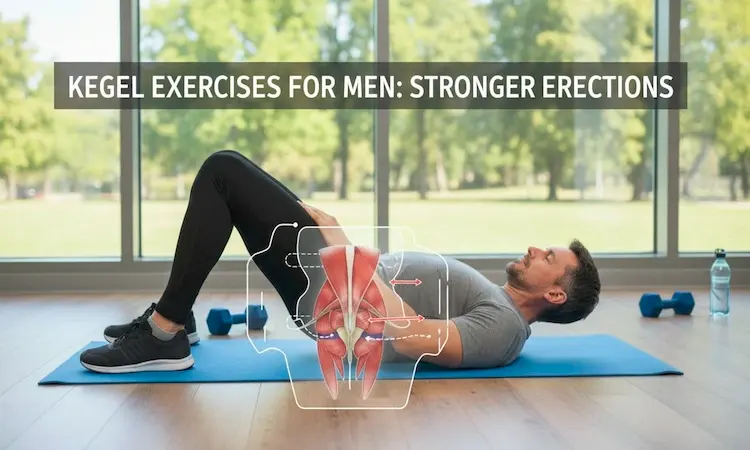
Pelvic floor control: The pelvic floor muscles support erection rigidity and control. Training them can improve firmness and help with staying power.
A quick reality check: smoking, heavy alcohol use, and poor sleep can cancel out a lot of progress. If you’re doing the workouts but sleeping 5 hours, vaping nicotine all day, and drinking hard most nights, your results will be limited.
The blood flow connection: why your heart workouts matter
Erections depend on healthy arteries and good blood vessel response. That’s why steady cardio often helps: walking, jogging, cycling, swimming, rowing, and even dancing count.
You don’t need to crush yourself. Modest, consistent cardio can improve fitness and support erection quality over time. Research summaries and news coverage often point to aerobic exercise as a meaningful ED intervention, including reports like this overview from Medical News Today on aerobic exercise and erectile dysfunction. The theme is simple: consistency beats intensity.
Stress, anxiety, and performance: exercise as a reset button
Stress and anxiety can make erections unpredictable. If your brain is scanning for threats, it’s not focused on pleasure. Regular exercise helps many people sleep deeper, feel calmer, and recover faster from daily pressure.
Try this after workouts (or before sex if you’re tense): breathe in through your nose for 4 seconds, exhale slowly for 6 to 8 seconds, and repeat for 2 minutes. Long exhales signal safety to your nervous system and can reduce performance tension.
Best exercise for stronger erections: a simple weekly plan
The goal isn’t extreme training. It’s better circulation, stronger hips and legs, and pelvic floor control you can rely on. If you’re new to exercise, start at the low end and build slowly.
Here’s a beginner-friendly week you can repeat:
| Day | Workout | Time |
|---|---|---|
| Mon | Brisk walk (easy pace) + pelvic floor routine | 25 to 35 min |
| Tue | Strength training (full body) | 25 to 40 min |
| Wed | Brisk walk (moderate pace) | 20 to 40 min |
| Thu | Pelvic floor routine + light walk | 15 to 30 min |
| Fri | Strength training (full body) | 25 to 40 min |
| Sat | Cardio (easy) or short intervals | 20 to 35 min |
| Sun | Rest, mobility, relaxed walk | 10 to 30 min |
Safety basics: warm up 5 minutes, use controlled form, and stop if you feel sharp pain, dizziness, chest pressure, or unusual shortness of breath. If you have known heart disease or you’re unsure what’s safe, ask a clinician first.
Pelvic floor exercises (Kegels) for erection firmness and control
The pelvic floor is like a sling of muscles that supports the base of the penis and helps with rigidity. To find it, do a one-time “stop the flow” test while urinating, then don’t make that a habit (it can irritate the bladder).
Starter routine, 3 to 4 days per week:
- Slow holds: tighten gently, hold 5 seconds, relax 5 seconds, repeat 10 times
- Quick pulses: tighten and release, repeat 10 to 15 times
- Rest 30 to 60 seconds, then do one more round if it feels good
Common mistakes:
- Holding your breath (breathe normally)
- Squeezing glutes or abs hard instead of the pelvic floor
- Overdoing it until you feel sore or tight
Some people are already too tight in that area. If your pelvic floor feels tense, painful, or you have pelvic discomfort, focus on relaxation too (slow breathing, gentle stretches), and consider guidance. This urology clinic guide, Kegels, They’re for Men, Too, explains how pelvic floor work can support erection quality and control.
Cardio that supports erections without burning you out
Pick an option you can stick with:
Option A (simple and steady): brisk walking 30 minutes, 5 days per week. You should be able to talk in short sentences.
Option B (busy schedule): 20 minutes, 3 days per week, plus 1 short interval day.
A beginner interval day (after a 5-minute warmup):
- 1 minute faster pace
- 2 minutes easy pace
Repeat 6 to 8 rounds, then cool down 5 minutes.
Cycling note: if you get numbness, don’t ignore it. Adjust seat height and tilt, consider a wider seat or a split-nose design, and take standing breaks.
Strength training moves that boost circulation and confidence
Strength work supports blood sugar control, lowers stress, and builds the legs and glutes that power most movement. It also helps many people feel more confident in their body, which matters for arousal.
Do this 2 to 3 days per week, with at least one rest day between sessions:
- Squat pattern: squats or sit-to-stands
- Hip hinge: light deadlift pattern (dumbbells or kettlebell)
- Lunge pattern: step-ups or reverse lunges
- Row: dumbbell row or cable row
- Push: incline push-ups or chest press
- Core stability: plank (short holds)
Beginner target: 2 to 3 sets of 8 to 12 reps for each move (planks 15 to 30 seconds). Progression rule: add reps first, then add a little weight once you hit the top of the rep range with good form.
How to know it is working, and when to talk to a doctor
Exercise changes your body gradually, but you may notice small wins early. Some men feel improvements in 2 to 4 weeks (better energy, better mood, more reliable arousal). Bigger changes often show up in 8 to 12 weeks, especially if cardio fitness and waist size improve.
Signs you’re on the right track:
- More frequent or firmer morning erections
- Easier time getting fully hard
- Better ability to maintain an erection with less constant stimulation
- Improved stamina, sleep, and stress tolerance
Red flags that deserve medical care:
- Sudden erectile dysfunction
- Chest pain, dizziness, or unusual shortness of breath with sex or exercise
- Numbness, pelvic pain, or blood in urine
- ED with diabetes, high blood pressure, or after prostate surgery
Ask about medication side effects, cardiovascular risk, and whether testosterone testing makes sense for your situation. If pelvic floor symptoms are part of the picture, pelvic floor physical therapy can be a strong option. For a research-focused overview, this 2025 review in the Journal of Men’s Health summarizes evidence on exercise and erectile function: Effects of physical exercise on improving erectile function: a systematic review and meta-analysis of randomized controlled trials.
Quick lifestyle upgrades that make exercise work better
A few changes help your workouts translate into better erections faster:
- Sleep: aim for 7 to 9 hours
- Alcohol: keep it moderate, avoid heavy drinking
- Nicotine: quit smoking or vaping nicotine
- Numbers that matter: manage blood pressure and blood sugar
- Food pattern: more plants, fish, nuts, and olive oil, fewer ultra-processed foods
- Hydration: dehydration can affect energy and performance
Porn overuse and relationship stress can also affect arousal and erection quality. Honest communication and reducing triggers often help more than people expect.
Conclusion
Stronger erections usually come from better basics, not a single magic move. The best exercise for stronger erections is a steady mix of cardio, strength training, and pelvic floor work, done consistently enough to improve blood flow and control.
Start small this week: pick 2 workouts, add 2 to 3 brisk walks, and do 3 short pelvic floor sessions. Track your sleep and stress, since they matter as much as reps. If symptoms are sudden or concerning, getting help is normal, and better erections often follow better overall health.