




You finally get a quiet moment at the end of a long day. The house is still, your inbox is closed, your partner is nearby, and yet your body feels like it’s stuck in “go mode.” Your mind races, your jaw is tight, and sex sounds like another task, not a treat.
If that’s familiar, you’re not alone. Stress and low libido often travel together, and it’s not a character flaw or a relationship failure. It’s your nervous system doing what it was built to do: protect you.
This guide gives you quick calming tools you can use in 1 to 10 minutes, plus a simple way to use them before, during, and after intimacy. Also, a gentle reminder: low desire can be normal, and it can change across seasons of life.
How stress and low libido are connected (and why it is not your fault)
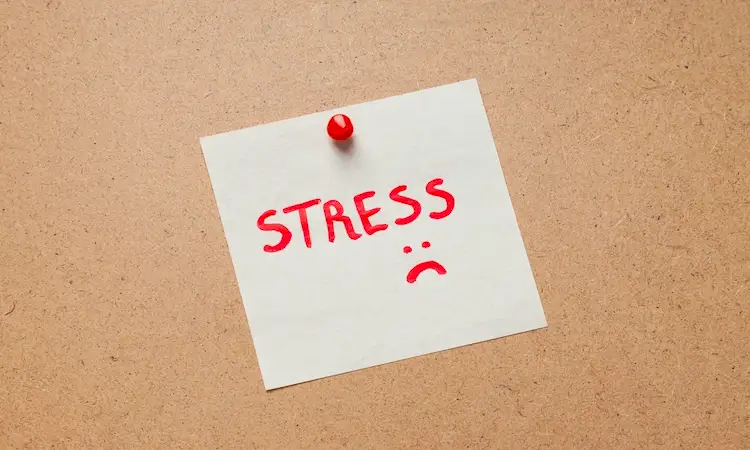
Stress is your brain’s alarm system. When it senses danger (a real threat, a work crisis, money worries, conflict, lack of sleep), it flips a switch. Your body moves resources toward survival, attention, and speed.
That’s helpful when you need to react fast. It’s not helpful when you want to feel relaxed, playful, and open to pleasure.
A stressed body often shows up in small, everyday ways:
- A tight jaw or clenched teeth
- Shallow breathing or frequent sighing
- Racing thoughts, irritability, or feeling “on edge”
- Trouble falling asleep, or waking up tired
- A stomach that feels off, or a chest that feels tight
If any of that is happening, your body may not interpret intimacy as “safe and fun” right away. It may interpret it as “one more thing.”
For a clear overview of how stress can affect sexual desire, How Stress Can Cause a Low Libido breaks down the connection in plain language.
Stress hormones vs. sex hormones, what happens in your body
When stress rises, your body releases hormones like cortisol and adrenaline. These chemicals increase alertness and prepare you to act. Blood flow, muscle tension, and attention shift toward “deal with it now.”
At the same time, your body may downshift things it sees as non-urgent, including digestion and sexual response. That can mean:
- Arousal takes longer
- Lubrication can be harder to access
- Erections can be less reliable
- Orgasms can feel farther away, or not happen
This is a body response, not a willpower problem. Trying to force desire often backfires because pressure is its own form of stress.
If you want a relationship-focused view of this cycle (stress, distance, more stress), 3 Reasons Stress is Affecting Your Sex Drive and What to Do About It is a helpful read.
Mental load, burnout, and the “always on” brain
Sometimes the biggest libido killer isn’t a single stressor. It’s the constant stack of them: work, caregiving, errands, planning, decisions, and the drip-drip of notifications.
Think of desire like a shy cat. If the room is loud and chaotic, it hides. If the room is calm and predictable, it comes out on its own.
For many people, desire needs three things: space, safety, and time to switch gears. When your brain is solving problems all day, it may struggle to shift into body-based pleasure. That doesn’t mean attraction is gone. It means your system is overloaded.
Quick calming tools that work in 1 to 10 minutes (anywhere, anytime)
You don’t need a perfect routine. You need a couple of tools that reliably nudge your body from “alarm” toward “safe.” Pick one or two favorites and practice them daily, even when sex isn’t on the table. They work better when they’re familiar.
60-second breathing reset for a racing mind
Best for: racing thoughts, jitters, performance pressure
Time: 1 minute
Try this: breathe in for 4 counts, breathe out for 6 counts. Repeat for 5 to 8 rounds. If counting feels annoying, keep one rule: your exhale is longer than your inhale.
Why it helps: a longer exhale can signal safety to the nervous system and support a slower heart rate. It’s like telling your body, “We’re not being chased.”
If you get dizzy, make your breaths softer, not bigger. Small, quiet breaths are still effective.
2-minute body scan to spot where stress is hiding
Best for: body tension, irritability, feeling disconnected from sensation
Time: 2 minutes
Before you start, rate your tension from 0 to 10. Then scan slowly:
- Forehead: smooth it, unclench your eyes
- Jaw: let your tongue rest, lips gently closed
- Neck and shoulders: drop them a half-inch
- Hands: open your fingers, loosen your grip
- Chest: notice if you’re holding your breath
- Belly: soften it (no need to “hold it in”)
- Hips and thighs: let them be heavy
- Feet: feel the ground
Re-rate your tension from 0 to 10. Even a one-point drop counts. You’re training awareness, not chasing perfection.
5-minute movement to burn off stress (no workout required)
Best for: restlessness, stress energy, feeling “wired”
Time: 3 to 5 minutes
Stress is chemistry, and movement helps your body process it. You’re not trying to get fit in five minutes. You’re trying to let your system complete the stress loop.
Pick one:
Brisk walk: Around the block or up and down the hall.
Stair laps: Slow and steady, focus on your feet.
Shake it out: Shake arms and legs for 30 seconds, rest, repeat.
Wall push-ups: 10 to 20 reps, then roll your shoulders.
Open the front body: Stretch hip flexors and chest (both tighten under stress).
Afterward, pause and notice: is your breathing lower in your belly? Is your face softer? Those are signs your body is shifting toward connection.
Grounding with your senses when you feel numb or disconnected
Best for: shutdown, overwhelm, numbness, feeling far away
Time: 2 to 3 minutes
When stress is high, some people don’t feel “anxious.” They feel blank, checked out, or irritated. Grounding brings you back into the room.
Try the 5-4-3-2-1 method:
- 5 things you see
- 4 things you feel (fabric, chair, floor, air)
- 3 things you hear
- 2 things you smell
- 1 thing you taste (even a sip of water counts)
Keep your tone kind. The goal isn’t to force arousal. The goal is to feel present again.
Use calming tools to rebuild desire, before, during, and after intimacy
Calming tools work best when they’re part of a realistic rhythm, not a performance checklist. Think of this as setting the stage. You’re lowering the noise so desire has a chance to show up.
The 10-minute “transition ritual” to shift from work mode to intimacy mode
Best for: busy days, parenting mode, “I can’t switch off”
Time: 10 minutes
Try this simple sequence:
- Put your phone out of reach (or on do not disturb).
- Quick wash up, or brush your teeth.
- Change clothes (signal: the day is done).
- 2 minutes of longer-exhale breathing.
- 3 minutes of easy stretching (hips, chest, neck).
- 3 minutes of music, dim lights, or a warm drink.
The point is not romance. It’s a nervous system cue: I’m safe now, I can slow down.
If you want more ideas for stress and sex drive support, this overview from Women’s Health Network can add context: How stress affects sex drive — and what to do about it!
Low-pressure touch that calms your nervous system (not a promise of sex)
Best for: rebuilding safety, reconnecting after a tense day
Time: 1 to 5 minutes
Touch can be calming when it’s not loaded with expectation. Try:
- A 30-second hug, with shoulders relaxed
- Hand holding while you breathe slowly
- A back rub with clothes on
- Scalp massage while sitting on the couch
- Lying side-by-side and syncing breath for one minute
A simple script helps remove pressure: “Let’s just connect. No pressure to go further.”
That one sentence can make touch feel safe again, especially when stress has made your body cautious.
Simple communication lines that reduce stress fast
Best for: lowering pressure, avoiding misreads, building consent
Time: 10 seconds
You don’t need the perfect words, you need clear ones. Try:
- “My stress is high, can we slow down?”
- “I want closeness, my body needs a minute.”
- “Can we keep this simple tonight?”
- “What would feel good right now?”
- “I’m a yes to kissing, not sure about more yet.”
These phrases protect connection. They also stop the guessing game, which is stressful for both people.
For a therapist’s perspective on how stress shapes desire and connection, Can Stress Affect My Libido? offers a useful overview.
If your mind keeps spinning, try “one thing at a time” focus
Best for: distraction during intimacy, worry thoughts, self-criticism
Time: 10 seconds at a time
During intimacy, attention will wander. That’s normal. The skill is returning without judging yourself.
Pick one sensation and notice it for 10 seconds:
- warmth of skin
- your breath moving in and out
- the pressure of a hand
- the feeling of the bed under you
When your mind jumps to a thought (laundry, insecurity, to-do list), label it softly: “thinking.” Then return to your one sensation.
This is not about being perfectly mindful. It’s about giving your body a fair shot at pleasure.
When to get extra help for stress and low libido
Stress is a common cause of low desire, but it’s not the only one. If libido changes are new, intense, or paired with other symptoms, it’s smart to check for medical or mental health factors.
For a clear list of causes and treatment options, Cleveland Clinic’s guide on Low Libido (Low Sex Drive) Causes & Treatment is a reliable starting point.
Seek prompt care if you have pain with sex, bleeding you can’t explain, sudden sexual function changes, or any symptom that scares you.
Check for common libido blockers you can fix
A helpful self-check is: what changed in the last 3 months?
Common libido blockers include:
Sleep debt: even a week of poor sleep can change desire.
Alcohol or cannabis: can lower inhibition, but also dull arousal and sensation for some people.
New meds: antidepressants and other prescriptions can affect libido and orgasm.
Relationship stress: conflict, resentment, or feeling unseen adds nervous system threat.
Depression and anxiety: can reduce interest and energy.
Postpartum changes: hormones, healing, feeding schedules, and exhaustion matter.
Perimenopause: can change desire, comfort, and lubrication.
Thyroid issues: can affect energy, mood, and sex drive.
Chronic pain: makes the body brace and protect.
If you spot one obvious factor, start there. One fix can create a ripple effect.
What to ask a doctor or therapist, and what support can look like
Go in with notes. It saves time and helps you feel taken seriously. Consider tracking stress, sleep, desire, and triggers for two weeks.
Questions to bring:
- “Could any of my medications be affecting libido or orgasm?”
- “Do my symptoms fit hormone changes, postpartum, or perimenopause?”
- “What can we check for pain, dryness, or pelvic floor tension?”
- “Should we screen for anxiety or depression?”
- “What are my options if erections or lubrication are inconsistent?”
Support can include talk therapy, couples therapy, sex therapy, and pelvic floor physical therapy. Sometimes the best help is practical and body-based, not just more advice.
Conclusion
Stress can flip your body into survival mode, and desire often fades in that state. The good news is that small calming habits can guide your system back toward safety, comfort, and connection.
Pick one tool from this post and practice it daily for a week. Keep it simple, track what changes, and talk to your partner with less pressure and more honesty. You’re not broken, and if this feels stuck or painful, real help is available.