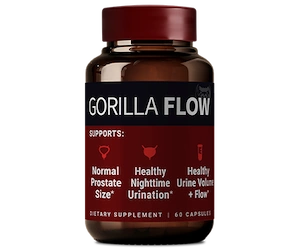
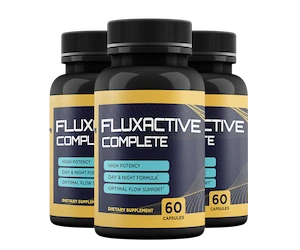
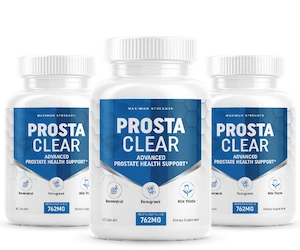

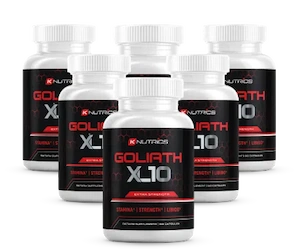




Sexual Wellness isn’t just about what happens in the bedroom. It’s tied to your stress level, sleep, relationships, hormones, and how safe you feel in your own body. When one part is off, the rest often follows. This post breaks down a holistic approach that covers mind, body, and connection. You’ll learn what supports desire, comfort, and confidence, plus simple ways to start making changes without pressure.
Improving Vascular Health to Support Better Intimate Performance
Strong intimate performance depends on healthy blood flow. For many men, erections are closely tied to vascular health because the penis relies on steady circulation to fill and stay firm. When arteries narrow or blood vessels lose flexibility, it can be harder to get or keep an erection. That’s why steps that support cardiovascular health often support sexual health too.
Start with the basics that protect your blood vessels every day. Regular movement helps your heart pump better and improves circulation. Brisk walking, cycling, swimming, and strength training can all help. Aim for consistent activity across the week, not just one hard workout. Even short sessions add up, and better endurance often shows up in the bedroom.
Food choices matter just as much. A heart-friendly eating pattern supports blood flow and can help manage cholesterol and blood pressure. Focus on vegetables, fruit, beans, whole grains, nuts, fish, and olive oil. Cut back on processed foods, excess sugar, and heavy fried meals. These choices can affect artery health over time. Staying hydrated also supports circulation and energy. For a trustworthy overview of pelvic floor basics and how they connect to sexual health, see Harvard Health’s guide to pelvic floor exercises.
Weight and waist size can influence erectile function. Extra body fat can raise blood pressure, strain the heart, and shift hormone levels. Losing even a small amount of weight may improve circulation and confidence. Pair steady exercise with realistic meals you can keep long term.
Sleep and stress play a bigger role than many people expect. Poor sleep can raise blood pressure and increase inflammation. Chronic stress can tighten blood vessels and lower desire. Set a consistent sleep schedule, limit late caffeine, and make room for downtime. Simple habits like breath work, stretching, or a short walk can calm the body and support healthy blood flow.
Avoid tobacco and limit heavy drinking. Smoking damages blood vessels and reduces nitric oxide, a key signal that helps arteries relax. Alcohol in large amounts can blunt arousal and affect performance. If quitting smoking feels tough, support programs and nicotine replacement can help.
Medical issues deserve attention too. High blood pressure, diabetes, high cholesterol, low testosterone, and some medications can affect erections. A checkup can uncover causes that are treatable. When ED shows up, it can be an early sign of heart disease, so it’s smart to take it seriously.
Better vascular health supports better intimate performance, more stamina, and better overall well-being. Consistent habits, not quick fixes, tend to bring the best results. Sexual wellness is closely tied to cardiovascular health; support natural vasodilation and keep nitric oxide levels strong, so your circulation can power steady performance at any age.
How Core Strength and Pelvic Floor Health Support Male Stamina
Male stamina depends on more than willpower and conditioning. Two often-overlooked factors are core strength and pelvic floor health. When these areas work well, they support better control, steadier breathing, and more comfort during sex and exercise. When they are weak or out of balance, fatigue can show up sooner, and performance can feel less consistent.
The core includes more than the “six-pack” muscles. It also involves the deep abs, lower back, hips, and glutes. These muscles help stabilize the pelvis and spine during movement. With a strong core, the body wastes less energy on poor posture or extra tension. That can translate to smoother motion, less strain, and better endurance during workouts and intimacy.
Pelvic floor muscles sit at the base of the pelvis. In men, they support the bladder and bowel and play a role in sexual function. They also help control blood flow and pressure in the pelvic area. A healthy pelvic floor can improve control during arousal and ejaculation, and it can support stronger erections by helping manage venous return (how blood leaves the penis). This doesn’t replace medical care for erectile dysfunction, but it can be part of a solid foundation for sexual health.
Core strength and pelvic floor function are linked. The diaphragm, deep abs, and pelvic floor work as a team to manage pressure inside the abdomen. When you breathe well and brace correctly, the pelvic floor can respond with the right amount of tension and release. If breathing is shallow or the core is weak, the pelvic floor may tighten too much or not engage enough. Both patterns can affect comfort, control, and stamina.
Common signs of pelvic floor issues include leaking urine, frequent urgency, pelvic pain, constipation, or discomfort during sex. Some men also notice a weak stream or trouble relaxing. These symptoms can have many causes, so it’s smart to talk with a healthcare provider, especially if symptoms are new or getting worse.
Supportive habits start simple. Strength train the core and glutes with good form. Focus on posture, hip mobility, and steady breathing. Practice pelvic floor contractions (often called Kegels) only if you can relax the muscles fully afterward. Overdoing tightening drills can backfire when the muscles are already tense.
If you want a clear plan, a pelvic floor physical therapist can assess strength, tension, and coordination. That kind of targeted help often improves male stamina, comfort, and confidence over time. Physical control is something you can build over time, and pelvic floor conditioning for male stamina helps support your body so your circulation and hormones can work at their best.
Stress Management and the Link to Libido and Energy
Stress has a direct effect on libido and day-to-day vitality. When stress stays high, the body shifts into a constant alert mode. This response is helpful in short bursts, but it can wear you down when it becomes your normal. Over time, chronic stress can lower sex drive, reduce energy, and make it harder to feel present and connected.
One reason is hormones. Stress raises cortisol, a hormone tied to the body’s fight-or-flight response. High cortisol can interfere with sex hormones like testosterone and estrogen, which support desire in both men and women. Stress can also affect thyroid function, sleep quality, and blood sugar, all of which play a role in mood and stamina. When you feel tired, tense, or overwhelmed, libido often drops because the body focuses on survival needs first.
Stress also changes how the brain responds to pleasure. Ongoing worry can increase irritability and make it harder to relax. This can lower arousal and reduce interest in intimacy. Mental load matters too. When your mind stays busy with work, family needs, or financial pressure, it’s hard to shift into a calm state that supports desire.
The good news is that stress management often improves both libido and energy. Small, steady habits can make a real difference:
- Protect sleep. Aim for a consistent sleep and wake time. Poor sleep raises cortisol and lowers desire.
- Move your body. Regular walks, strength training, or yoga can reduce stress and support blood flow and hormone balance.
- Eat regular meals. Skipping meals can spike stress hormones and drain energy.
- Limit alcohol and excess caffeine. Both can disrupt sleep and worsen anxiety.
- Build recovery time into your day. Even 10 minutes of quiet breathing or stretching can help reset the nervous system.
Relationships matter as well. Clear communication and emotional safety can ease stress and support intimacy. If stress comes from conflict, setting boundaries and talking openly can reduce tension. When you feel supported, your body is more likely to shift into a relaxed state where desire can return.
If low libido and fatigue last for months, consider checking in with a healthcare professional. Ongoing stress can overlap with depression, anxiety, hormone changes, or medical issues. Addressing the root cause can help you regain steady energy, stronger mood, and a healthier sex drive.
Biological Rhythms: How Sleep Quality Shapes Testosterone Production
Your body runs on biological rhythms, and sleep sits at the center of them. Testosterone production follows a daily pattern tied to the circadian rhythm, with the highest levels often showing up in the early morning. That rise does not happen by chance. It depends on steady, high-quality sleep that lets your brain and hormones stay in sync.
Testosterone is released in pulses, and many of those pulses happen during sleep. Deep sleep and REM sleep both support healthy hormone signaling. When sleep is short, broken, or pushed to odd hours, those normal pulses can weaken. Over time, that can lower average testosterone levels and leave you feeling off, even if your diet and workouts stay the same.
Sleep quality matters as much as sleep length. You can spend eight hours in bed and still miss key stages if you wake often, drink alcohol late, or deal with untreated breathing issues. Conditions like obstructive sleep apnea can reduce oxygen levels and fragment sleep, which may disrupt testosterone production. Loud snoring, gasping during sleep, and morning headaches are common red flags.
Timing also plays a role. Irregular schedules, late nights, and rotating shifts can confuse the body clock. When the circadian rhythm drifts, hormone release can shift too. That can blunt the normal morning peak and affect energy, mood, and sex drive.
To support healthy testosterone, focus on simple sleep habits that match your biological rhythms. Keep a steady bedtime and wake time, even on weekends. Aim for 7 to 9 hours of sleep, with a calm wind-down routine. Keep your bedroom cool, dark, and quiet. Limit caffeine after lunch, and avoid heavy meals close to bedtime. If you drink alcohol, keep it moderate and earlier in the evening, since it can reduce deep sleep.
Morning light helps set your body clock. Get outside soon after waking when you can, and keep bright screens lower at night. If you suspect sleep apnea or chronic insomnia, talk with a clinician. Fixing sleep problems often improves more than rest, it can help restore the hormone pattern your body expects.
Better sleep supports better testosterone, because your hormones keep time.
Micronutrients and Superfoods for Long-Term Reproductive Wellness
Long-term reproductive wellness depends on steady habits, and nutrition plays a key role. A balanced diet supports hormone health, regular cycles, sperm quality, and healthy pregnancy outcomes. While no single food can “fix” fertility, certain micronutrients show up again and again in research on reproductive health.
Folate (vitamin B9) supports healthy cell growth and early fetal development. It also helps with egg quality and may support ovulation. Food sources include lentils, beans, asparagus, romaine, and fortified grains. If you’re planning a pregnancy, a prenatal vitamin with folic acid is often recommended, but food still matters.
Iron helps carry oxygen through the body, and low iron can affect energy, ovulation, and menstrual health. Choose heme iron from lean red meat, or non-heme iron from spinach, chickpeas, pumpkin seeds, and quinoa. Pair plant iron with vitamin C rich foods like oranges, bell peppers, or strawberries to improve absorption.
Zinc supports sperm production, egg development, and normal hormone function. Oysters are a top source, but you can also get zinc from beef, poultry, beans, and pumpkin seeds. Selenium and vitamin E act as antioxidants that help protect cells from oxidative stress, which can affect both eggs and sperm. Brazil nuts (one or two a day), sunflower seeds, and eggs are simple ways to add these nutrients.
Omega-3 fats support healthy inflammation levels and may help hormone balance. Fatty fish like salmon, sardines, and trout are strong choices. If you don’t eat fish, chia seeds, ground flax, and walnuts add plant-based omega-3s, though the body converts them less efficiently.
For “superfoods,” think of foods that pack fiber, healthy fats, and antioxidants into normal portions. Berries, leafy greens, avocado, plain Greek yogurt, and extra-virgin olive oil fit well into fertility-friendly meals. Aim for steady blood sugar with protein at breakfast and high-fiber carbs through the day, since insulin swings can affect hormones.
Consistency matters more than perfection. Build meals around whole foods, rotate your choices, and keep ultra-processed foods as an occasional add-on, not the base of your diet.
Modern Wellness Gadgets: Tracking Physiological Markers of Male Health
Modern wellness gadgets make it easier to keep an eye on day-to-day health trends. For many men, that means tracking physiological markers tied to fitness, sleep, stress, and heart health. These tools don’t replace medical care, but they can help you notice patterns and build better habits.
Wearables like smartwatches and fitness bands often track heart rate, resting heart rate, and heart rate variability (HRV). Resting heart rate can reflect basic fitness and recovery. HRV is often used as a rough signal of stress load and recovery, especially when you compare your baseline over time. Many devices also estimate calories burned and record workout intensity, which helps with training plans and weight goals.
Sleep tracking is another common feature. Devices can log sleep duration, wake-ups, and sleep timing. Some also track breathing-related signals and blood oxygen levels (SpO2). If your data shows poor sleep night after night, it’s a sign to review habits like alcohol use, late workouts, or screen time before bed. Ongoing sleep issues should be discussed with a clinician, since sleep problems can affect energy, mood, and sexual health.
Other wellness gadgets focus on measurements you can take at home. Smart scales can track weight trends and may estimate body composition. At-home blood pressure monitors can help you keep tabs on blood pressure, which matters for long-term heart health. Some users also track skin temperature trends during sleep, which may relate to illness, recovery, or room conditions.
To get useful results, focus on consistency. Wear the device the same way each day, take readings at similar times, and look for trends over weeks, not single-day spikes. Also review privacy settings, since health data can be sensitive.
A simple approach works best: pick two or three markers, such as resting heart rate, sleep time, and blood pressure, then connect them to clear actions. Small changes, repeated daily, tend to show up in the data and in how you feel.
Understanding the Gut-Brain Axis in Male Hormonal Balance
The gut-brain axis is the two-way link between your digestive system and your nervous system. It uses nerves (including the vagus nerve), hormones, and immune signals to pass messages back and forth. For men, this connection matters because it can shape hormone levels tied to mood, energy, libido, sleep, and body composition.
A big part of this system is the gut microbiome, the mix of bacteria and other microbes living in the intestines. When the microbiome is in good shape, it helps protect the gut lining and supports steady digestion. It also affects inflammation in the body, which can influence male hormonal balance. Long-term, low-grade inflammation is linked with poor metabolic health, and that can work against healthy testosterone levels.
Stress also plays a strong role. The brain responds to stress by raising cortisol. Short bursts of cortisol are normal, but chronic stress can keep cortisol high. This may disrupt sleep and recovery, increase cravings, and make it harder to maintain healthy testosterone. The gut-brain axis can amplify this loop. Stress can change gut bacteria and slow digestion, and gut issues can send distress signals back to the brain.
Gut health may also affect how the body handles estrogen. Men need small amounts of estrogen for bone and brain health, but balance matters. Some gut bacteria help process and remove hormones through the digestive tract. When digestion is off, hormone clearance can shift, which may affect how you feel and perform.
Daily habits can support the gut-brain axis and, in turn, help stabilize hormones. Start with fiber-rich foods such as beans, oats, berries, and vegetables. Fiber feeds helpful gut bacteria and supports regular bowel movements. Add fermented foods like yogurt, kefir, kimchi, or sauerkraut if you tolerate them. Include enough protein, zinc, magnesium, and healthy fats, since these nutrients support testosterone production and steady blood sugar.
Sleep is another anchor. Poor sleep can raise cortisol and reduce morning testosterone. Aim for a consistent schedule, limit alcohol, and get morning light exposure. If you deal with ongoing bloating, pain, or irregular stools, talk with a clinician. Fixing gut problems can improve comfort, stress load, and overall hormonal health.
Evaluating Botanical Extracts: A Scientific Review of Traditional Wellness Herbs
Botanical extracts have a long history in traditional wellness. Today, interest is growing as more people look for plant-based options to support everyday health. A scientific review helps separate folk claims from findings that hold up under testing. It also sets clear standards for quality, safety, and expected effects.
A botanical extract is a concentrated mix pulled from plant material using water, alcohol, glycerin, or other methods. The extract can contain many active compounds, and the mix can vary by plant part, harvest time, and processing steps. This is why two products with the same herb name can act differently. Standardization can help by setting target levels for key compounds, but it doesn’t tell the full story when other ingredients also shape results.
When scientists evaluate traditional wellness herbs, they look at three main areas: chemistry, biology, and clinical evidence. Chemistry confirms what is in the extract and checks for purity. Common tests include chromatography and mass spectrometry to track marker compounds and screen for contaminants. Biology studies how the extract acts in cells or animals. These studies can point to anti-inflammatory activity, antioxidant effects, or support for digestion, sleep, or immune response. Clinical studies matter most because they test outcomes in people. Strong trials use clear dosing, defined extract types, and careful tracking of side effects.
Safety review is just as important as benefit review. Some herbs interact with medicines, change liver enzyme activity, or affect blood clotting. Quality checks should also cover heavy metals, pesticides, and microbes. Proper labeling helps consumers avoid surprises by listing the plant’s Latin name, the part used (root, leaf, flower), the extraction ratio, and the solvent type.
A careful scientific review doesn’t dismiss tradition, it tests it. Many traditional herbs show promise, but results depend on the extract, the dose, and the person. When research matches long-term use, botanical extracts can earn a clear place in modern wellness routines. When the data is weak, the best approach is caution, transparent labeling, and better studies.
Age-Related Vitality, Maintaining Sexual Wellness in Your 40s, 50s, and Beyond
Sexual wellness can stay strong in your 40s, 50s, and later years. Bodies change with age, but pleasure, desire, and closeness can still be a steady part of life. The key is to treat sexual health like any other part of health, with attention, patience, and honest talk.
Hormone shifts often affect libido and comfort. For many women, perimenopause and menopause can bring vaginal dryness, irritation, or pain with sex. For many men, lower testosterone, stress, and blood flow changes can lead to erectile dysfunction or a slower response. These changes are common, and they’re not a personal failure. They’re a signal to adjust routines and, when needed, get medical support.
Daily habits have a real effect on sexual function. Regular exercise supports circulation and mood, which helps arousal. Strength training can also support hormone balance and body confidence. Sleep matters more than most people think, since poor sleep can lower desire and raise stress. Limit heavy alcohol use, and don’t ignore smoking, since both can reduce blood flow and sensation.
Stress can shut down desire, even in a loving relationship. Short, steady stress relief works best, a walk after dinner, a few minutes of breathing, or less screen time before bed. If anxiety or depression is present, treating it can improve both intimacy and energy.
Strong intimacy also relies on communication. Talk about what feels good, what doesn’t, and what you want to try. If sex has become uncomfortable, focus on touch, kissing, massage, or other forms of closeness while you address the cause. Lubricants and vaginal moisturizers can help with dryness, and pelvic floor therapy may help with pain or tension.
Medical care can be part of the plan. A clinician can check hormone levels, review medications that may affect libido, and discuss options like prescription treatments for erectile dysfunction or menopausal symptoms. If something changes fast or feels unusual, don’t wait.
Sexual wellness after 40 is not about chasing youth. It’s about protecting health, staying connected, and making room for pleasure on your own terms.
The Role of Open Communication in Enhancing Relationship Satisfaction
Open communication is one of the clearest drivers of relationship satisfaction. It helps partners feel heard, respected, and safe to share what they think and feel. When people communicate openly, they spend less time guessing and more time understanding each other. That shared understanding builds a stronger connection over time.
Honest talk supports trust. Trust grows when words and actions match, and when both people share information without hiding key details. This does not mean saying every thought out loud. It means being truthful about needs, limits, and concerns, even when the topic feels uncomfortable. In healthy relationships, partners can disagree without fear of being mocked or punished.
Open communication also improves conflict resolution. Many arguments are not about the surface issue, they are about feeling ignored, blamed, or dismissed. Clear communication keeps a conflict focused on the problem, not on personal attacks. Using calm language, naming the issue, and sharing one’s point of view can lower tension fast. It also helps to listen without planning a rebuttal. Reflecting back what you heard can prevent simple mix-ups from turning into big fights.
Emotional intimacy often depends on small, steady moments of connection. Regular check-ins, shared stories, and simple comments like “I felt stressed today” invite closeness. Over time, that kind of emotional openness becomes a habit. It signals that the relationship is a safe place to be real, not a place where feelings must be managed or hidden.
Healthy communication includes boundaries. Saying “I need a break” or “I’m not ready to talk about that yet” keeps the conversation respectful. It protects both people from heat-of-the-moment words that cause lasting harm. Timing matters, and so does tone.
If you want to improve relationship satisfaction, focus on clarity and kindness. Use “I” statements, keep your point short, and ask for what you need. Pay attention to body language and silence, since both can send messages. The goal is not perfect wording, it’s a steady pattern of honesty, listening, and follow-through.
Conclusion
A holistic approach to sexual wellness starts with your whole life, not just the bedroom; sleep, stress, movement, and connection all play a role. Choose one small habit this week that supports balance, like a bedtime routine or a daily walk. If something feels off, track it and talk with a trusted clinician or therapist, it saves time and worry. Share what helped you most, and keep building your sexual welness plan one step at a time.