


Can sweet potato enhance desire, or is it just another food trend dressed up as romance advice?
Before you stock up on orange tubers, it helps to define what “desire” can mean. For some people it’s sexual desire (libido). For others it’s energy, mood, confidence, or feeling comfortable in their body, all of which can shape how interested someone feels in sex and connection.
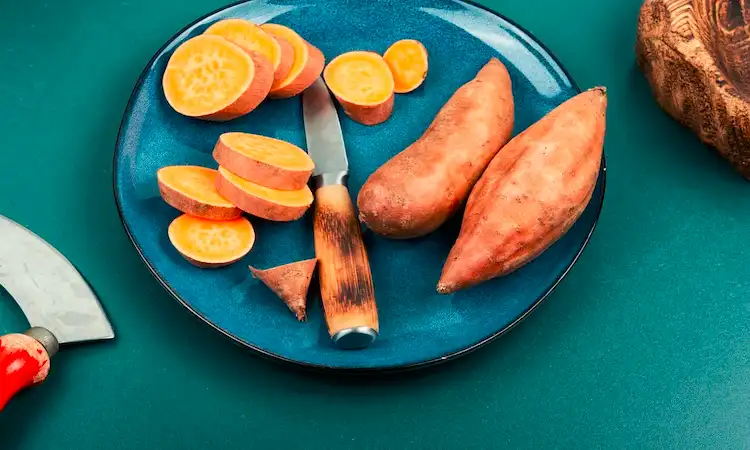
Sweet potato isn’t a magic aphrodisiac, and it won’t “flip a switch” overnight. Still, it can support basics that often sit under libido, like steadier energy, better blood vessel health, and a more balanced diet. This post breaks down what science can and cannot say, plus simple, realistic ways to add sweet potato to meals without turning eating into a project.
Can sweet potato enhance desire? What we know, and what we do not
Desire is more like a campfire than a light switch. It needs fuel (energy), oxygen (less stress), and the right setting (sleep, comfort, connection). Because so many factors feed into libido, one food usually has a small effect by itself.
So, can sweet potato enhance desire in a proven, direct way? There’s no strong evidence that sweet potatoes directly increase libido like a medication might. Most research looks at sweet potato’s nutrients and general health outcomes, not sexual desire as a primary endpoint. A good example is this systematic review on sweet potato consumption and nutrition-related health outcomes, which focuses on broader markers of health rather than libido.
That said, it’s fair to say sweet potato may support conditions that make desire more likely, such as:
- fewer energy crashes that leave you irritable or wiped out
- better long-term heart health (important for arousal and circulation)
- overall diet quality, which can affect hormones, mood, and self-image
If you’re looking for an “aphrodisiac effect,” it helps to zoom out. Reviews of food-based aphrodisiacs tend to find that many claims are biologically plausible but unevenly proven, especially in humans (see Nutritional aphrodisiacs: Biochemistry and Pharmacology). Translation: nutrients can matter, but marketing often runs far ahead of the data.
How sweet potato nutrients could support libido basics
Sweet potatoes bring a mix of nutrients that can support the “plumbing and power supply” behind desire.
Complex carbs for steadier energy: Sweet potato carbs digest more slowly than sugary snacks, which can mean fewer spikes and crashes. When your energy feels steadier, mood and patience often improve too.
Fiber for steadier blood sugar: Fiber helps slow digestion and supports gut health. More stable blood sugar can support consistent energy and may help some people feel more emotionally even.
Potassium for circulation and muscle function: Potassium supports normal muscle function and helps balance fluids. It also plays a role in healthy blood pressure, which matters for long-term blood flow.
Vitamin C and antioxidants for blood vessel support: Healthy blood vessels help blood flow, and blood flow is part of arousal for all genders.
Beta-carotene (vitamin A precursor): Sweet potatoes are well-known for beta-carotene. Vitamin A supports many body systems, including tissues and reproductive health in a general sense, but it’s not a quick libido trigger.
What sweet potato cannot do (and when to be skeptical)
Sweet potato can’t override the big libido killers. If stress is high, sleep is short, alcohol is frequent, or a relationship is tense, a side dish won’t fix the core problem.
Be skeptical when you see claims like:
- guaranteed results
- “works in 24 hours”
- “raises testosterone fast”
- “better than pills” or “cures low libido”
Those phrases are usually selling certainty, not offering truth.
If you want a grounded overview of how diet can relate to sexual health without promising miracles, this Healthline piece on foods for better sex is a more realistic starting point than most viral posts.
Why desire drops, and where sweet potato might help the most
Low desire often has a boring cause, and that’s not an insult. Life gets loud. Work runs late. Bodies change. People carry stress in their jaw, shoulders, and nervous system, then wonder why they don’t feel relaxed, playful, or interested.
Sweet potato fits best as a “support food” when desire is getting buried by everyday factors, especially:
Running on empty: When you’re tired, your brain tends to choose rest over sex. A balanced dinner that actually satisfies you can make evenings feel less like survival mode.
Mood and self-image: Feeling uncomfortable in your body can shrink desire. Adding nourishing foods you enjoy can support steadier eating patterns, which can help with confidence over time.
Long-term heart health: Arousal depends on blood flow and nerve signaling. Diet patterns that support cardiovascular health can support sexual function over time, even if the change is gradual.
This is the key mindset shift: sweet potato isn’t a “date-night hack.” It’s more like putting better oil in your car. You won’t feel it in five minutes, but the system tends to run smoother.
Energy, stress, and sleep: the most common libido blockers
Stress and exhaustion change hormones, dull arousal, and make small annoyances feel huge. When your nervous system is stuck in alert mode, desire often goes quiet.
Sweet potato can be a smart dinner carb because it’s filling without being greasy. Many people find it comforting and easy on the stomach, which may help when you’re trying to wind down for sleep.
Try pairing it with protein and healthy fat so you feel satisfied and avoid a quick hunger rebound:
- Baked sweet potato topped with Greek yogurt and cinnamon (plus nuts if you want crunch)
- Roasted sweet potato wedges with salmon and a simple salad
- Sweet potato cubes in a black bean bowl with avocado and salsa
Keep it simple. A calmer evening routine and a steady, satisfying meal often do more for desire than any “sexy food” claim.
Blood flow and heart health: a quiet factor in arousal
Arousal relies on blood flow. That’s true for erections, genital swelling, sensitivity, and comfort. While sweet potatoes won’t “increase blood flow tonight,” their fiber, potassium, and antioxidants can support cardiovascular health as part of a bigger pattern.
If you want this to matter more, pair food with a few basic habits that support circulation:
- a daily walk, even 15 to 20 minutes
- strength training a couple times a week
- managing blood pressure with your clinician if it runs high
- quitting smoking (if relevant)
Think long-term. Better circulation is often built, not bought.
How to eat sweet potato for better mood and desire support (simple, safe tips)
If you want to test whether sweet potato helps you feel better, treat it like a small experiment, not a promise.
A practical serving for many adults is about 1 medium sweet potato (or half of a very large one) as part of a meal with protein and non-starchy veggies. If you’re trying to support sleep, dinner is a reasonable time to eat it, especially if heavy meals keep you up.
Best ways to prepare it (and avoid sugar spikes)
Cooking method changes how satisfying it feels. These options are easy and budget-friendly:
Baked: Simple, hands-off, great with skin on if you tolerate it.
Roasted: Toss with olive oil, salt, pepper, paprika. Crisp edges, soft middle.
Air-fried: Fast and crispy with less oil.
Mashed: Mix with olive oil, garlic, and a pinch of salt (skip the sugar).
Added to chili or soup: Makes the meal thicker and more filling.
One extra trick: cooling cooked sweet potato and reheating it later may increase resistant starch for some people, which can blunt blood sugar impact. It’s not a guarantee, but it’s an easy meal-prep win.
A simple plate rule helps: sweet potato plus protein plus colorful veggies. That balance matters more than any single nutrient.
Who should be careful, and when to get help for low desire
Sweet potatoes are safe for most people, but a few situations call for more care:
- Diabetes or blood sugar concerns: Watch portions, and always pair with protein and fat.
- Kidney disease or potassium restrictions: Ask a clinician about potassium limits.
- Digestive sensitivity: The fiber can cause gas or bloating in some people, start with smaller portions.
- Allergy: Rare, but possible.
Consider talking with a clinician if low desire is sudden, painful, linked to a new medication, or lasts for months. The same goes for symptoms like depression, ongoing erectile issues, vaginal dryness, or distress in your relationship. Support is normal, and it can be very effective.
Conclusion
So, can sweet potato enhance desire? It can support desire indirectly by supporting steadier energy, mood, and long-term heart health, but it isn’t a guaranteed libido booster.
If you’re curious, try a simple 2-week plan: eat sweet potato 2 to 4 times per week in balanced meals, track sleep, stress, and energy, and see what changes. If nothing shifts, that’s useful information too.
Desire is multi-factor, and it deserves a real approach, not a food myth. If the problem sticks around, getting help is a strong next step, not a last resort.
[ad_2]