



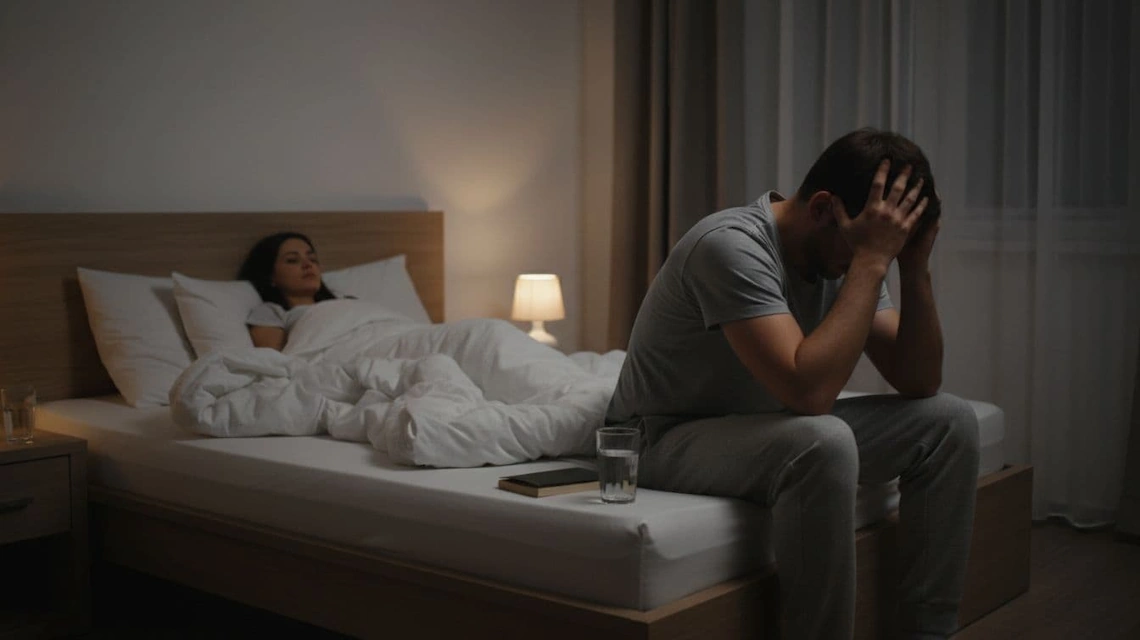

If sex starts to feel like a test you have to pass, you’re not alone. Performance anxiety in bedroom is a common loop where worry about “doing it right” makes it harder to feel aroused, connected, or confident, which then creates even more worry the next time.
This can show up in long-term relationships, new relationships, casual dating, and after big life changes. It can affect any gender, and it doesn’t mean you’re “broken” or that your relationship is doomed.
This post explains what bedroom performance anxiety looks like, why it happens, what to do when it hits in the moment, and longer-term fixes that rebuild confidence and closeness, without turning sex into a scoreboard.
What performance anxiety in bedroom looks like, and why it happens
Performance anxiety during sex is basically your brain hitting the panic button at the worst time. You might want intimacy, but your body acts like there’s a threat. That’s because anxiety can trigger the fight-or-flight response, increasing stress hormones and pulling blood flow and attention away from pleasure.
In plain terms, your mind starts scanning for problems, your body tightens, and sensation can feel muted or “far away.” You may notice:
- Racing thoughts instead of staying present
- Muscle tension, shallow breathing, or a fast heartbeat
- Trouble getting or staying aroused, or trouble reaching orgasm
- A strong urge to “make something happen” fast
This isn’t about willpower. It’s about physiology. Anxiety narrows focus, and sex needs the opposite: safety, time, and permission to be imperfect.
It’s also common for the worry to attach itself to one moment. Maybe there was a past night where your body didn’t cooperate, or you felt judged, or you were exhausted. The next time, your brain remembers and tries to prevent a repeat. Ironically, that prevention plan is the anxiety that causes the repeat.
If you want a deeper overview of symptoms and treatment options, this guide from Verywell Mind on sexual performance anxiety gives a clear, non-shaming rundown.
One more important note: some medical issues can look like “anxiety,” including hormone changes, medication side effects, erectile dysfunction, pelvic pain, and depression. If symptoms are new, persistent, or worsening, it’s completely reasonable to check in with a clinician.
Common signs: racing thoughts, pressure to “perform,” and trouble staying present
Performance anxiety doesn’t always feel like panic. Sometimes it’s just a constant mental scoreboard.
Emotional signs
- Feeling pressure to impress, “keep it up,” or reach orgasm
- Worrying you’re disappointing your partner
- Feeling distracted, numb, or detached
- Shame after sex, even if your partner seemed fine
Physical signs
- Tension in the jaw, shoulders, belly, or pelvic area
- Dryness, discomfort, or pain with arousal
- Difficulty getting or maintaining an erection
- Trouble orgasming, or orgasming too quickly when tense
Common thoughts include: “What if I can’t get hard?” “What if I take too long?” “What if I finish too fast?” “Do I look weird?” “Are they bored?” The repeating cycle is the real problem: fear of it happening again becomes the trigger.
Top triggers: stress, past experiences, porn comparisons, and relationship tension
Bedroom anxiety often has nothing to do with attraction. It’s usually a pile-up of normal life factors:
- Stress and fatigue: Work pressure, lack of sleep, parenting, caregiving
- Alcohol or substances: Sometimes they lower inhibitions, sometimes they dull response or increase anxiety later
- New partner nerves: Wanting to “make a good impression” can hijack the moment
- Postpartum changes and menopause: Hormones, healing, dryness, pain, body changes, and identity shifts can all affect confidence
- Medications: Some antidepressants, blood pressure meds, and other drugs can change arousal and orgasm
- Fear after a “bad night”: One awkward experience can become a mental highlight reel
- Porn and social media comparisons: They can create a narrow script of what sex “should” look like, how long it “should” last, and what bodies “should” do
If porn comparisons are part of the pressure, it can help to reset expectations with real info. Health.com’s overview of sexual performance anxiety explains common causes and why the problem is usually anxiety, not desire.
What to do in the moment when anxiety hits during sex
When anxiety shows up mid-intimacy, the goal isn’t to “fix” your body on command. The goal is to lower the alarm in your nervous system and protect connection. Think of it like turning down a smoke detector that’s going off while you cook, you handle the alarm first, then you go back to what you were doing.
A simple approach is: pause, name it gently, slow down, and shift the goal away from a single outcome. That might mean changing activities, taking a break, or calling it for the night without treating it like a failure.
Reset your body: breathing, slowing down, and a quick grounding check
Start with breath because it’s the fastest way to tell your body, “We’re safe.”
Try this pattern:
- Inhale slowly through your nose for about 4 seconds
- Exhale a little longer, about 6 to 8 seconds
- Repeat for 5 to 8 breaths
Longer exhales help calm the stress response. While you breathe, do a quick grounding check:
- Name 3 things you feel (sheets, warmth, your partner’s hand)
- Name 2 things you hear (breathing, a fan)
- Name 1 thing you see (a shadow on the wall, a lamp)
If you need a break, take it. You don’t have to apologize like you did something wrong. A short pause, a drink of water, or a cuddle can be the reset that brings your body back online.
Change the goal: focus on pleasure and connection, not a specific outcome
Performance anxiety loves a finish line. It gets louder when sex is treated like a single route with one “right” ending.
Give yourselves a wider menu: kissing, touching, massage, oral sex, mutual touch, taking turns, using lube, using a toy, or simply holding each other and staying close. When the goal becomes “let’s feel good together,” pressure drops. Often, your body responds better when it’s not being monitored.
If you want practical coping tools, Healthline’s tips on overcoming performance anxiety include simple strategies that fit real life, not perfect conditions.
Talk about it without killing the mood: simple phrases that reduce pressure
Silence can make anxiety feel bigger. A few calm words can turn it into a team problem, not a personal flaw.
Try one of these:
- “Can we slow down for a minute?”
- “I’m getting in my head. Can we just kiss and touch?”
- “No pressure, I want to enjoy you.”
- “Can we take a quick break and breathe?”
- “What feels good right now?”
- “Let’s switch to something softer and see what happens.”
- “I’m here with you, even if my body’s being weird.”
Keep it warm and simple. Also check in on consent and comfort, especially if pain or discomfort is part of the anxiety. Feeling emotionally safe is often what helps arousal return.
Long-term solutions to build confidence and enjoy sex again
Short-term tools help, but confidence usually grows from what happens between sexual moments. The big idea is to create a sex life that’s less like a performance review and more like a shared hobby. You get better because you practice kindly, not because you punish mistakes.
Start with realistic expectations. Bodies vary day to day. Stress, sleep, hormones, and mood matter. If you treat “off nights” as normal, they stop becoming a prophecy.
It also helps to audit what you’re feeding your brain. If most of your sexual input is porn scripts or highlight reels online, real-life sex can start to feel “wrong” even when it’s healthy and intimate.
Build a pressure-free sex life: plan connection, not “perfect sex”
A few habits make anxiety less likely to show up:
- Protect sleep and downshift stress where you can
- Give yourselves more warm-up time, no rushing
- Set the scene for comfort (privacy, warmth, lube available, phones away)
You can also try a simplified version of sensate focus, a therapy-based exercise where partners take turns exploring touch without aiming for intercourse or orgasm. The point is to re-train your body to notice sensation instead of scanning for performance. Start small, even 10 minutes, and celebrate that you showed up.
When to get help: medical checkups, sex therapy, and couples counseling
Get support if any of these are true:
- You have ongoing pain, burning, or pelvic tightness
- Erection or orgasm changes persist for weeks or months
- Anxiety or depression is present
- There’s a trauma history
- Relationship conflict keeps leaking into sex
- The fear is lasting several months and shrinking your intimacy
A good first step can be primary care, an OB-GYN, or a urologist, depending on symptoms. Pelvic floor physical therapy can help for pain and tension. A licensed sex therapist (or couples counselor with sex therapy training) can help you change the pattern without blame.
For a medically reviewed overview of symptoms and options, Verywell Health’s guide to overcoming sexual performance anxiety is a solid starting point.
Conclusion
Performance anxiety in bedroom is common, frustrating, and treatable. The pattern usually isn’t about desire, it’s about stress, pressure, and a nervous system that’s trying too hard to protect you.
Start with what you can control: notice triggers, use a quick body reset when anxiety spikes, and shift the goal toward pleasure and connection instead of a single outcome. Then build longer-term support through honest talks, kinder expectations, and professional help when it’s needed.
Pick one tool to try this week, even just the longer exhale, and have one honest, low-stakes conversation with your partner or a trusted clinician. Confidence comes back in steps, not in a single perfect night.
Frequently Asked Questions About Bedroom Performance Anxiety (And How to Handle It)
What is performance anxiety in the bedroom?
Performance anxiety is worry about how you’ll “do” during sex. It can show up as racing thoughts, tension, self-monitoring (checking if things are “working”), or fear of disappointing a partner. That stress response can make arousal, erections, lubrication, or orgasm harder, even when attraction is there.
What causes bedroom performance anxiety?
It’s usually a mix of pressure and past experiences. Common triggers include stress, fatigue, low self-esteem, strict beliefs about what sex “should” look like, porn-based expectations, relationship conflict, and fear after a prior “off night.”
Some people also feel it more during life changes, like postpartum recovery, a new relationship, or after a breakup.
Can performance anxiety cause erectile dysfunction or trouble staying hard?
Yes. Anxiety activates the body’s stress response, which can interfere with the relaxation and blood flow needed for an erection. One difficult experience can also create a loop, you worry it’ll happen again, then the worry raises the chances it does.
If erection problems are new, frequent, or getting worse, it’s smart to check in with a clinician to rule out medical causes (like blood pressure issues, diabetes, hormone problems, or medication side effects).
Can performance anxiety affect orgasms, lubrication, or pain during sex?
Yes. Anxiety can make it harder to orgasm, delay orgasm, or make orgasms feel less intense. It can also reduce natural lubrication, which may lead to discomfort. Tension can contribute to pain, especially if you’re bracing or rushing.
Pain during sex isn’t something to push through. If it’s persistent, talk with a healthcare professional who treats sexual pain.
How do I talk to my partner about it without killing the mood?
Keep it simple, and make it about teamwork. A direct line works well, for example: “I get in my head sometimes, I’m into you, and I’d love to slow down and focus on what feels good.”
Helpful ground rules:
- Use I statements, not blame.
- Agree that sex doesn’t have to be a performance.
- Give each other permission to pause, laugh, reset, or switch activities without it being “a problem.”
What are practical ways to reduce performance anxiety in the moment?
Focus on taking pressure off outcomes (like erection, orgasm, or timing) and bring attention back to sensation.
A few approaches that often help:
- Slow the pace and extend foreplay, less urgency usually means less anxiety.
- Try a “no-goal” session, where intercourse and orgasm aren’t the target.
- Use steady breathing (longer exhales can reduce stress signals).
- Shift attention from thoughts to touch, temperature, scent, and sound.
- If you start spiraling, say it out loud and take a short break, even a minute helps.
If alcohol is part of the routine, keep in mind it can lower anxiety short term but also make arousal and orgasm harder for many people.
When should I get professional help, and what kind works?
Consider help if anxiety is persistent, causes avoidance, leads to frequent sexual difficulties, or creates relationship stress. It’s also a good idea if symptoms started suddenly, or if there’s pain, loss of desire, or ongoing erection or orgasm problems.
Common options:
- Sex therapy (often with a licensed therapist trained in sexual concerns) for performance worries, communication, and confidence.
- CBT (cognitive behavioral therapy) for anxiety patterns, rumination, and fear cycles.
- A medical checkup if there could be physical contributors (meds, hormones, circulation, mood disorders).
If anxiety is tied to past trauma, look for a therapist who lists trauma-focused treatment and sexual health experience.