



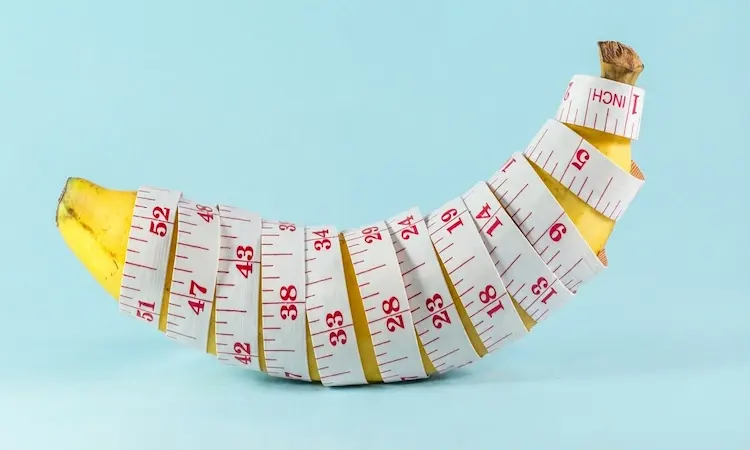
People ask what penis size do women prefer for a bunch of normal reasons. Curiosity is part of it. So is confidence, dating anxiety, and the fear of being judged before anything even happens. Some people want to know what “most women” like so they can stop worrying. Others want to understand what helps a partner feel good, not just what looks good.
Here’s the honest setup: there’s no single perfect size that women agree on. Preferences vary person to person, and they can shift with mood, arousal, comfort, trust, and experience. Size can matter sometimes, but it’s rarely the whole story.
This post sticks to realistic takeaways and research, not porn myths. It’s also PG-13 on purpose: clear, respectful, and focused on what you can actually do to build better sex and better confidence.
What research says about what penis size do women prefer
When you look at real studies (not comment sections), a few themes repeat.
First, many women report being satisfied with their partner’s penis size. One of the most cited large surveys on the topic, “Does size matter? Men’s and women’s views on penis size across the lifespan,” found that most women were satisfied, while men tended to worry more about being “too small” than their partners did. You can read the full PDF from UCLA researchers here: Does Size Matter? Men’s & Women’s Views on Penis Size.
Second, research often separates length and girth because they can feel different and can matter in different ways. That’s a big reason why arguments about “size” get messy. Two people can say they like “average” but picture totally different things.
Third, some studies suggest preferences can differ depending on context. A well-known PLOS One study used selection among 3D models rather than just asking people to guess numbers. It reported that women, on average, selected sizes that were close to average for long-term partners, and a bit larger for a one-time partner. The differences were not extreme, and they didn’t point to one “magic” measurement that guarantees satisfaction. A copy of that paper is accessible here: Women’s Preferences for Penis Size (PLOS One, 2015).
That idea often surprises people, but it makes sense if you think about comfort and risk. For long-term sex, people tend to value what’s reliably enjoyable and not painful. For a one-time hookup, novelty can play a bigger role in fantasy. Real life still has limits, though, because bodies have limits.
Also, don’t skip the quiet takeaway hiding inside these studies: preference isn’t the same as requirement. Someone might say “slightly bigger is ideal” but still be very happy with a partner who’s average. In dating, people often confuse “ideal on paper” with “what actually works with a real person.”
If you want a plain-English overview that pulls together research findings and emphasizes satisfaction over measurements, this medical review is a helpful starting point: What Size Penis Do Women Prefer? (Ro).
Length vs girth, which matters more for many women?
Both can matter, but girth often gets mentioned more in discussions of sensation because it can relate to a feeling of fullness and pressure. Length, on the other hand, has a clearer downside: too much length can be uncomfortable, especially with deep positions or faster pacing.
What complicates it is that comfort changes with arousal. When someone is relaxed and turned on, their body may feel more open and more ready. When they’re tense, rushed, or dry, even an average size can feel like “too much.”
If you’re trying to guess what your partner prefers without asking, you’re basically trying to read a book with the cover closed. Communication beats guessing almost every time.
Why preferences can change by situation, age, and body type
Preferences aren’t fixed like a shoe size. They can shift with:
Relationship goals: In long-term relationships, comfort, trust, and consistency often matter more than novelty.
Stress and sleep: When someone’s stressed, it can be harder to relax, and “bigger” may feel less appealing.
Hormones and life stages: Libido and sensitivity can change across the cycle, after childbirth, during perimenopause, or with new medications.
Pelvic floor tension: Some people carry tension in the pelvic floor, which can make penetration feel tight or painful, even with smaller sizes.
Past experiences: If someone’s had pain before, they might prefer smaller or slower. If they’ve had great experiences with a certain type of stimulation, they may seek that again.
None of this means anyone is “picky” or “broken.” It’s just how bodies and brains work together.
Why size is only part of pleasure
If size were the main driver of great sex, the internet would be a lot calmer. In real relationships, pleasure is more like cooking than like buying a tool. The ingredients and timing matter, not just the size of the pan.
For many women, orgasm and satisfaction are strongly tied to arousal, comfort, and stimulation outside of penetration. Penetration can feel good, but it’s often not the whole route to climax. That’s not a critique of anyone’s body. It’s basic anatomy and how many people’s nervous systems respond.
A few factors that tend to matter more than size:
Foreplay that actually builds arousal: Not as a chore, but as the main event.
Pacing: Slower starts, more checking in, less rushing.
Emotional safety: Feeling respected and not pressured.
Lubrication: Natural or added, it can change everything.
Attention to external pleasure: Many women enjoy stimulation that’s not focused on penetration.
If you’re worried about measurements, it can help to shift the goal. Don’t aim to “measure up.” Aim to make your partner feel heard and physically comfortable.
Arousal, comfort, and lubrication can change what feels good
Arousal isn’t just mental, it’s physical. When someone is turned on and relaxed, the body changes in ways that can make penetration feel better and reduce discomfort. When arousal is low, tissue can be more sensitive to friction, and the pelvic floor can stay tense.
That’s why a partner might say “too big” one day and “that feels amazing” another day, even with the same person. It’s not manipulation. It’s physiology plus mood.
Lubricant is also normal. It’s not a sign of failure or a sign someone “isn’t into it.” It’s a tool that reduces friction and can make sex more comfortable and more fun, especially with condoms, longer sessions, postpartum changes, or certain medications.
Technique and connection often beat size
Great sex often looks boring on paper because it’s built on basic skills done well. A short list of high-impact habits:
Ask and listen: “Do you like this?” is attractive when it’s calm and genuine.
Start slower than you think you need to: Speed can come later, comfort first.
Use small adjustments: A pillow under hips or a change in angle can improve comfort and sensation.
Focus on the whole body: Kissing, touch, and attention to what your partner responds to.
Stay present: If you’re performing a role in your head, you’re not really with them.
If you want a reality check that research often finds size is less important than people assume, this overview also emphasizes technique and satisfaction: What Size Penis Do Women Prefer? (Ro).
Common myths about penis size and what women want
The question “what penis size do women prefer” gets louder because myths travel faster than nuance. Here are the big ones worth dropping.
Myth 1: Bigger is always better.
Some women prefer bigger. Some prefer average. Some prefer smaller. Many prefer “whatever feels good with this person.” Bigger can also bring real downsides like discomfort, pain, or limited positions.
Myth 2: Size alone keeps a partner interested.
Attraction is a mix of kindness, humor, trust, sexual effort, and feeling desired. If the relationship is cold, a bigger penis doesn’t fix that.
Myth 3: If she liked it, she’d say so.
Plenty of people stay quiet to avoid hurting feelings. That’s why creating a low-pressure space for feedback matters.
Myth 4: Confidence means never worrying.
Confidence isn’t zero doubt. It’s being able to handle doubt without spiraling or turning sex into a test.
Porn and comparison culture distort what looks “normal”
Porn is entertainment, not sex education. It often involves casting for specific body types, plus angles, lighting, and editing that can exaggerate size and reaction. That can make normal bodies feel “not enough” even when they’re completely fine.
Research also links porn use and comparison to body image concerns, including genital self-image. If you want a research-focused look at how porn use and genital self-image connect, see this paper in The Journal of Sexual Medicine: Does Size Matter?.
For a widely read summary of the 3D model preference study, this article gives accessible context (with the usual media caveats): Women prefer slightly larger penises: new study (The Guardian).
The real reasons some partners say “too big” or “too small”
“Too big” is often about pain, dryness, tension, or pacing. It can also be about anxiety. When someone worries it’ll hurt, their body may tighten, and then it hurts, which confirms the fear.
“Too small” is more complicated than people think. Sometimes it’s really about not enough arousal, not enough clitoral or external stimulation, a position that doesn’t feel great for that person, or a partner who rushes. Sometimes it’s insecurity talking on either side.
In other words, the sentence “too small” doesn’t always translate to “your body is the problem.” It often means “the current approach isn’t working.”
How to talk about size, pleasure, and confidence with a partner
If you want better sex, talk about sex when you’re not already tense. Pick a calm moment, not during an argument and not as a reaction to a bad night.
A simple way to frame it is: “I care about how this feels for you, and I want us to be honest.”
A few tips that keep the conversation safe:
Make it about teamwork: You’re solving a shared problem, not defending your ego.
Ask for preferences, not grades: Feedback is easier than judgment.
Check in during sex: Quick, normal questions prevent discomfort from building.
Keep consent active: Comfort can change mid-session, and that’s okay.
If sex is regularly painful, erections are difficult to maintain, or anxiety is taking over, consider talking with a clinician. Pain can have medical causes, and performance anxiety is very treatable with the right support (including sex therapy).
Simple, respectful phrases that make the conversation easier
- “What kind of touch feels best for you tonight?”
- “Do you want more pressure or less?”
- “Is this comfortable, or should I slow down?”
- “Do you like this angle, or should we adjust?”
- “Tell me what you want more of.”
- “If something doesn’t feel good, say so, I won’t take it personally.”
Those lines do something important: they tell your partner that honesty won’t be punished.
Conclusion
If you’re asking what penis size do women prefer, the most accurate answer is that preferences vary, and many women are happiest with what feels comfortable, familiar, and connected, often close to average. Studies suggest “ideal” can shift by context, but real satisfaction tends to come from comfort, arousal, and trust more than from chasing a number.
If you want a practical confidence boost, focus on what you can control: communication, patience, and learning what your partner likes. If sex is painful or stressful, get support sooner rather than later. The goal isn’t to be perfect, it’s to build better sex with a real person, not an imaginary benchmark.