



If you feel tired all the time, it’s easy to blame “low testosterone” or “getting older.” But most guys don’t feel worn down in just one way. It can show up as brain fog at work, low drive in the gym, a flat mood, or that afternoon crash that hits like a wall. You might even sleep eight hours and still wake up tired.
That’s where supplements like zinc and magnesium come in. They’re both minerals, both popular, and both talked about as if they’re magic for “male energy.” The problem is that “energy” can mean totally different things: sleep recovery, workout output, mood and focus, or libido and sexual function.
This guide breaks down zinc vs magnesium for energy in plain language, including when each one tends to help most, safe dosing basics, and when it’s smarter to get labs or talk to a clinician instead of guessing.
What “male energy” really is (and why one supplement rarely fixes it)
Think of male energy like a four-cylinder engine. If one cylinder is misfiring, the whole ride feels rough. But swapping one part doesn’t always fix the real issue.
Here are the four buckets most men mean when they say “I want more energy”:
1) Sleep recovery
This is the foundation. If your sleep is light, broken, or too short, everything feels harder the next day. Your workouts feel heavier, your patience gets thinner, and your appetite and cravings can get weird.
2) Physical performance
This is gym energy, stamina, strength, and how fast you bounce back after training. Sometimes “low energy” is just poor recovery or too much intensity without enough rest.
3) Mental focus and mood
Brain fog, low motivation, irritability, and that “wired but tired” feeling often point more toward stress load and sleep quality than a single nutrient.
4) Libido and sexual function
Low libido can come from stress, sleep loss, relationship issues, low calories, medications, depression, or hormonal problems. Zinc gets a lot of attention here, but only helps in certain cases.
Now the uncomfortable truth: a lot of things can mimic “low minerals.” Short sleep, heavy training blocks, high stress, low-calorie dieting, regular alcohol use, and certain meds can drain your tank. So can issues like depression, sleep apnea, low iron, and thyroid problems.
Zinc and magnesium affect different systems. Magnesium often feels like it helps the “recovery and calm” side of energy. Zinc is more “support when intake is low,” especially for immune and reproductive health. The best choice depends on your symptoms, your diet, and your lifestyle.
Quick self-check: signs you might be low on magnesium vs. low on zinc
These aren’t diagnoses, just pattern clues.
Magnesium leaning signs
- Muscle cramps or twitching
- Trouble falling asleep
- Anxious or “wired” feeling at night
- Constipation
- Headaches
- High stress and tight muscles
- Restless legs
Zinc leaning signs
- Poor wound healing
- Frequent colds or infections
- Low appetite
- Taste or smell changes
- Acne or skin issues that won’t calm down
- Low libido
Symptoms overlap. Diet history and labs matter, especially if fatigue is persistent.
The hidden factor most men miss: sleep, stress, and training load change mineral needs
Mineral needs aren’t fixed. Your lifestyle can nudge them up.
Magnesium needs can rise when you sweat a lot, do endurance training, train hard while sleeping poorly, drink a lot of caffeine, or live in constant stress mode. Some guys also notice more cramps and tension when carbs are very low, which can happen during aggressive cutting phases.
Zinc can become a problem when intake is low (common with low meat or seafood intake) or absorption is poor (gut issues, chronic diarrhea). Heavy alcohol use can also mess with nutrition in general, and diets built around refined carbs often crowd out zinc-rich foods.
So before you pick a bottle, do a quick reality check: Are you sleeping enough, eating enough, and recovering enough? If not, supplements may only smooth the edges.
Zinc, what it does for male energy and when it is the better pick
Zinc isn’t a stimulant. If you take it expecting a “pre-workout” feeling, you’ll likely be disappointed. Zinc’s value is more like fixing a missing bolt. When you’re low, things don’t run right. When you’re adequate, more isn’t better.
Here’s how zinc connects to male energy:
Testosterone support (when deficient)
Zinc is involved in hormone health, and low zinc status can be linked with lower testosterone. Supplementing can help if you were actually low, but it’s not a steroid effect and it won’t push you beyond normal.
Sperm and reproductive health
Zinc is concentrated in male reproductive tissues and supports normal function. Improvements, when they happen, often show up as better sexual interest and less “flatness,” not a sudden surge.
Immune function (less time sick)
If you’re catching every bug going around, your “energy problem” might really be “I’m always recovering from something.” Zinc is well-known for immune support. For a balanced, evidence-focused summary (including common cold research), see zinc benefits and safety details.
Thyroid support in broad terms
Thyroid hormones help regulate metabolism and energy. Zinc plays a role in the systems that support normal thyroid function, though fatigue has many causes, so don’t assume zinc is the fix.
Zinc helps most when intake is low or absorption is poor. Results are usually subtle: fewer colds, improved appetite, slightly better libido, or a general sense of better “normal.” Too much zinc can backfire, especially over months.
Who is most likely to benefit from zinc
Zinc tends to be more helpful if you check one of these boxes:
- You eat little meat or seafood, or you’re vegetarian or vegan.
- You’re a picky eater, or you’ve been in a long cutting phase with low food volume.
- You get frequent infections, or you feel like you “stay sick” longer than others.
- You have gut issues (IBD, chronic diarrhea, malabsorption problems).
- You’re older and your appetite is low.
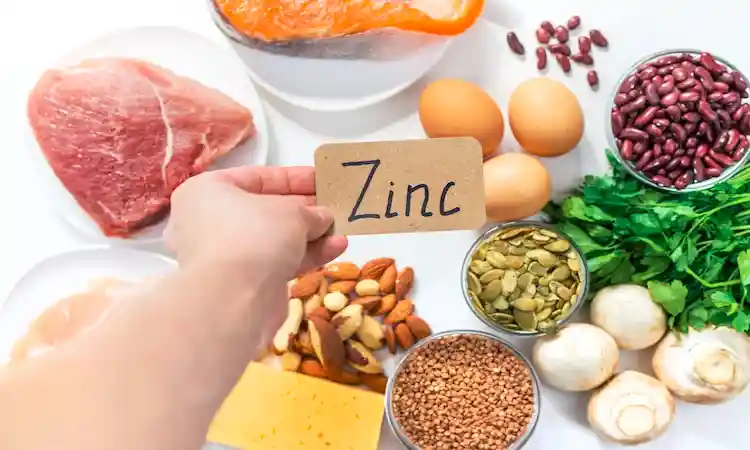
Food-first options are simple. Oysters and beef are among the richest sources. Plant options include pumpkin seeds and beans, but zinc from plant foods can be harder to absorb because of compounds like phytates. You can still get enough on a plant-forward diet, it just takes more planning.
Safe zinc dosing basics (and the copper mistake to avoid)
For most adults, a common supplemental range is 10 to 25 mg per day for short to medium use (think weeks to a few months), especially if your diet is low in zinc-rich foods.
The big guardrail: the tolerable upper limit for adults is 40 mg per day from all sources. Going above that regularly can reduce copper levels and, over time, affect blood counts or nerve health. That’s the copper mistake. Guys take “high dose zinc” for months, then feel worse.
Common forms include zinc picolinate, citrate, and gluconate. If zinc upsets your stomach, take it with food. Zinc can also interact with certain antibiotics, so it’s smart to ask a pharmacist if you’re on prescription meds.
If you’re curious about combined products like ZMA (zinc, magnesium, and B6), this ZMA supplement overview gives a clear, mainstream summary of uses and side effects.
Magnesium, why it often improves sleep and stress, and how that changes energy
If zinc is the “missing bolt” mineral, magnesium is often the “release the parking brake” mineral. Not because it gives a jolt, but because it can support the systems that let your body power down at night and recover.
Magnesium is involved in muscle function, nerve signaling, and the way your body handles stress. It also plays a role in blood sugar control, which matters because big swings can feel like mood dips and energy crashes.
The main reason magnesium can improve male energy is simple: better sleep equals better days . When sleep improves, many men notice:
- More stable mood
- Better morning energy
- Less soreness after training
- Fewer tension headaches and tight muscles
- Less of that “wired at night, drained by noon” cycle
Many modern diets run low in magnesium, especially when most calories come from processed foods. Whole foods tend to be richer in magnesium, and they bring fiber and other nutrients along for the ride.
Magnesium also gets talked about in sports nutrition because cramps, soreness, and restless sleep are common in hard-training men. Research on ZMA and performance is mixed, but it’s helpful to keep expectations realistic. For example, a controlled trial looking at ZMA in sleep-restricted men is summarized in this sleep and morning performance study. Another paper examining an acute ZMA dose and next-day performance is available as a full-text study on sleep and morning output. These are interesting, but they don’t replace the basics: sleep time, training load, and diet quality.
Magnesium isn’t a stimulant. If it helps, energy feels steadier, not louder.
Best magnesium types for men (and which ones to skip if your stomach is sensitive)
Magnesium is sold in different forms. The label matters because some forms are gentler than others.
Magnesium glycinate is a common pick for sleep and stress because it’s usually easy on the stomach.
Magnesium citrate can help constipation, but it can also loosen stools if the dose is high.
Magnesium malate is often chosen for daytime muscle support and general fatigue, though responses vary.
Magnesium oxide is cheap, but it tends to absorb less and is more likely to cause GI issues for some people.
Start low and increase slowly. Many “magnesium problems” are just dose problems.
Simple magnesium dosing, timing, and food sources that actually add up
A practical supplemental range for many men is 200 to 400 mg of elemental magnesium per day. Many take it in the evening, especially if sleep is the goal.
For context, the RDA for adult men is about 400 to 420 mg per day from food and supplements combined. You don’t need to hit that number perfectly every day, but it’s a useful target.
Foods that add up fast:
- Pumpkin seeds
- Almonds
- Spinach
- Black beans
- Quinoa
- Dark chocolate (easy to overdo, so keep it reasonable)
Important caution: if you have kidney disease or reduced kidney function, talk to a clinician before supplementing magnesium. Your body may not clear extra magnesium the same way.
So which helps more, zinc or magnesium, for your energy goal?
For most men, the answer depends on what “energy” means in your life right now.
Here’s a simple comparison of likely outcomes:
| Energy goal | Magnesium tends to help more when… | Zinc tends to help more when… |
|---|---|---|
| Sleep quality | You can’t fall asleep, stay asleep, or wake up calm | Sleep is fine but fatigue persists from other causes |
| Stress resilience | You feel tense, restless, or “wired” | Stress is high but diet is low in zinc-rich foods |
| Workout recovery | Cramps, tight muscles, sore for days | Training is fine, but you’re sick often |
| Libido | Low libido is paired with stress and poor sleep | Low libido plus low zinc intake or deficiency risk |
| Immune resilience | You’re run down from poor recovery | You catch frequent colds or recover slowly |
| Morning energy | You wake up groggy even after enough time in bed | You wake up okay, then fade due to recurring illness |
If you’re choosing one supplement to start with, magnesium often wins when fatigue is tied to sleep and stress. Zinc can be a better pick when libido is low, infections are frequent, or your diet is low in zinc-rich foods.
Taking both can be reasonable, especially at modest doses, but don’t stack high-dose zinc with a multivitamin and a “test booster” at the same time. Also watch total magnesium if you use multiple products (sleep powders, electrolytes, and capsules can overlap).
A quick decision guide based on your main complaint
- If you’re tired and sleep is poor, start with magnesium.
- If libido is down and you rarely eat zinc-rich foods, consider zinc.
- If you get sick often, consider zinc plus more zinc-rich meals.
- If you have cramps and high stress, magnesium first.
- If you’re dieting hard and training hard, magnesium is often the smoother first move.
The best long-term plan still includes food quality, enough sleep, and a training week that matches your recovery.
When to get labs or talk to a clinician instead of guessing
Supplements are for small gaps, not mystery fatigue.
Talk to a clinician sooner if you have severe fatigue, depression, unexplained weight loss, chest pain, shortness of breath, blood in your stool, or very low libido along with other symptoms.
Useful basic checks to discuss include a CBC, ferritin and iron, a thyroid panel, vitamin D, B12, fasting glucose or A1C, and testosterone if symptoms fit your age and history.
Also, mineral testing has limits. Serum magnesium can look normal even when intake is low, and zinc testing isn’t always straightforward. That’s why symptoms, diet, and the full picture matter more than one number.
Conclusion
If the question is zinc vs magnesium for energy, the most honest answer is that they help in different ways. Magnesium is usually the better first try when your energy is being dragged down by poor sleep, stress, and slow recovery. Zinc is more targeted, it’s most useful when intake is low, immunity is taking a hit, or libido is down alongside diet risk.
Start with food first, then use a safe dose of one supplement for 2 to 4 weeks while tracking sleep, mood, workouts, and morning energy. If fatigue is persistent, severe, or paired with red-flag symptoms, get labs and talk with a clinician. The right fix feels less like a rush and more like getting your steady self back.